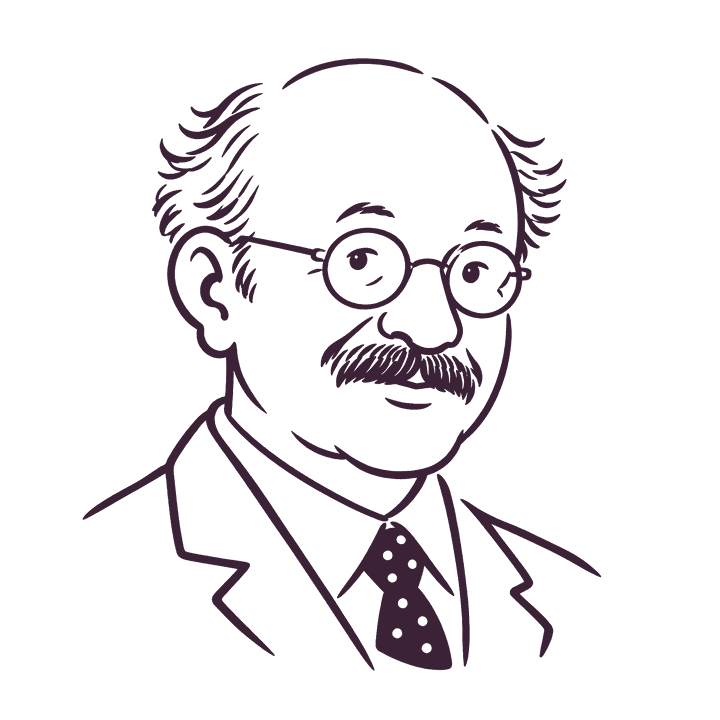
A Better Way to Discover Tissue
An AI-powered search agent and recommendation tool for brain tissue samples.
Dr. Oskar is an early-stage AI platform that helps researchers find and assess human tissue samples for their studies.
Made for How Scientists Search
Describe what you need in plain language. Dr. Oskar turns complex criteria into clear, actionable results, with no manual back-and-forth.
Built on Trusted Data
Dr. Oskar draws on public data from the NIH NeuroBioBank, a transparent and credible foundation for discovery.
Ready to Grow Across Brain Banks
Its architecture can take in more datasets and brain banks over time.
Fits Existing Workflows
Dr. Oskar makes discovery easier without asking institutions to change how they manage, govern, or distribute samples.
Why We Built Dr. Oskar
- Tissue discovery is slow, manual, fragmented, and opaque.
- Researchers depend on emails, spreadsheets, PDFs, and personal connections.
- Tissue banks are buried in repetitive, low-value coordination.
Dr. Oskar bridges the gap. Researchers get a clear, structured way to find relevant samples, and brain banks get better tools to manage access, oversight, and coordination at scale.
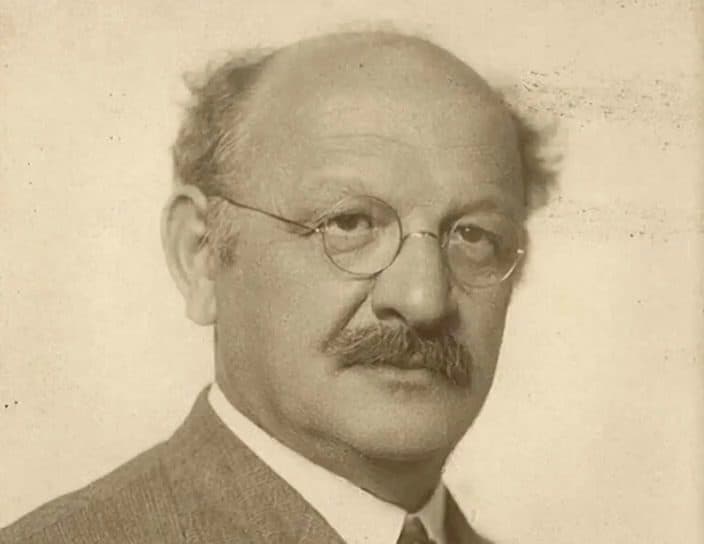
About Oskar Fischer
- First study published
- 1907
- Second study published
- 1910
- Died in imprisonment
- 1942
Dr. Oskar is named for Oskar Fischer, a psychiatrist and neuropathologist whose work helped define the pathology of what we now call Alzheimer’s disease. In 1907 and 1910 he published clinico-pathological studies describing amyloid plaques and neurofibrillary tangles across hundreds of brains, laying critical groundwork for the field. For years the plaques were known as “Fischer’s plaques.”
His role has since faded from public memory. Nazi occupation cut his academic career short, and in 1941 the Gestapo arrested him and held him in the Small Fortress at Theresienstadt (now Terezín), the Gestapo’s prison for political prisoners. He died there in 1942.
The name honors his rigor and careful observation, and the many contributors to neuroscience whose work underpins modern research but is not always remembered.